
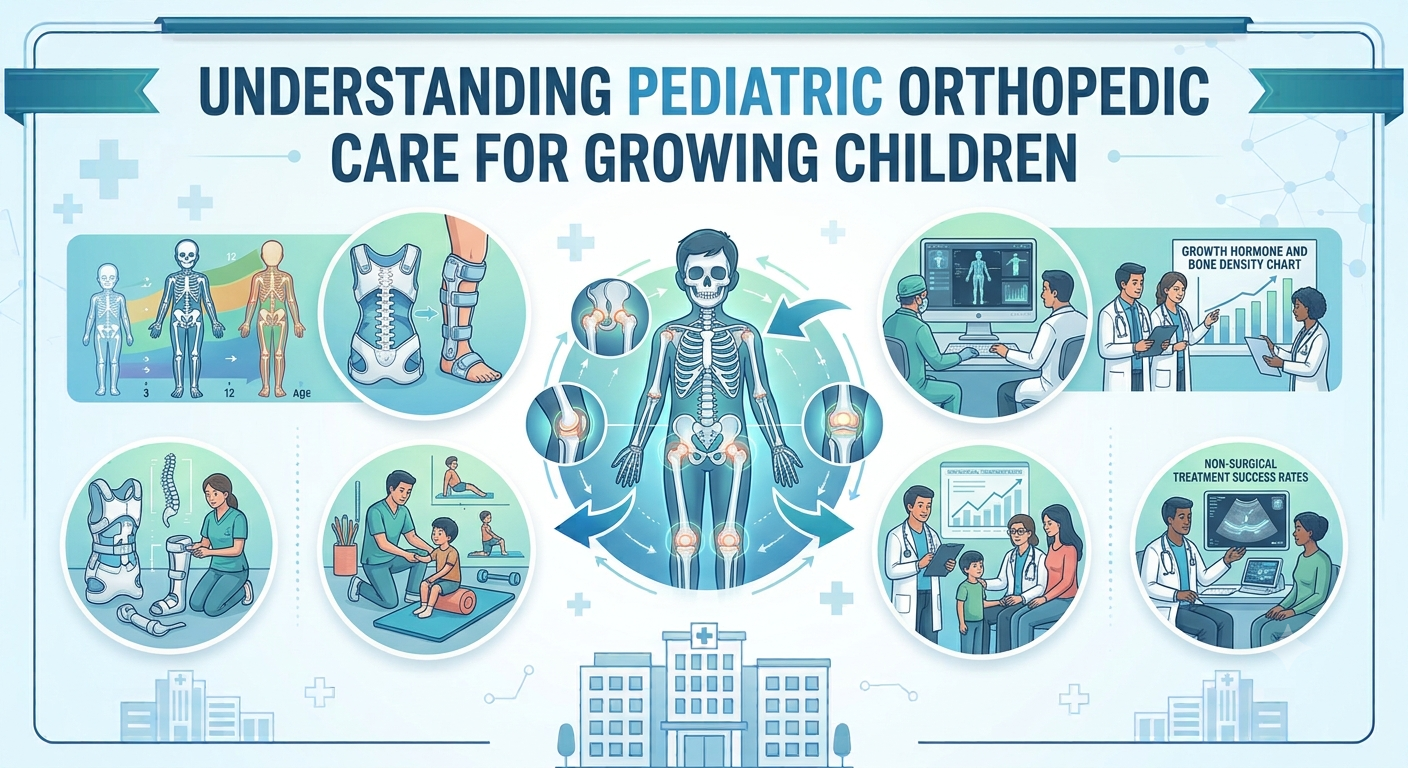
Children experience rapid physical growth, and their bones, joints, muscles, and ligaments develop continuously throughout childhood. Sometimes, injuries, congenital conditions, or developmental problems can affect this process and require specialised medical attention. Pediatric orthopedics focuses on diagnosing and treating musculoskeletal conditions in infants, children, and teenagers, helping them maintain healthy movement and development.
When parents explore Pediatric Orthopedic Treatment in India, they should look for qualified specialists who understand the unique needs of growing children. Early diagnosis, appropriate treatment, and regular follow-up can help manage orthopedic problems and support a child's physical development.
What Is Pediatric Orthopedic Treatment?
Pediatric orthopedic treatment involves the medical and surgical management of conditions affecting the bones, joints, muscles, tendons, and ligaments of children. Unlike adult orthopedic care, treatment for children must account for growth plates, bone development, and age-related changes in the musculoskeletal system.
Pediatric orthopedic specialists evaluate a child's symptoms, medical history, physical development, and mobility. Depending on the diagnosis, treatment may include observation, medication, physiotherapy, braces, casting, or surgery.
Common Orthopedic Conditions in Children
Several conditions may affect children's bones and joints during infancy, childhood, and adolescence.
1. Clubfoot
Clubfoot is a congenital condition in which one or both feet turn inward and downward. Early treatment commonly involves specialised casting techniques, stretching, and bracing. Some children may require an additional procedure depending on the severity of the condition.
2. Developmental Dysplasia of the Hip
Developmental dysplasia of the hip occurs when the hip joint does not develop normally. Early diagnosis is important because treatment may be simpler when the condition is identified during infancy. Management depends on the child's age and the severity of the hip abnormality.
3. Bone Fractures and Sports Injuries
Children may experience fractures and other injuries while playing sports, cycling, or participating in everyday activities. Treatment depends on the location and severity of the injury and may involve casting, splinting, or surgery when necessary.
4. Scoliosis
Scoliosis is an abnormal sideways curvature of the spine. Some children require observation and periodic examinations, while others may benefit from bracing or surgical treatment. The recommended approach depends on the child's age, the degree of curvature, and the likelihood of progression.
5. Limb Length Differences
Some children have one leg or arm that grows differently from the other. The difference may be present at birth or develop over time. Specialists assess the cause and severity before recommending observation, shoe lifts, or other treatments.
Importance of Early Diagnosis
Early diagnosis plays an important role in pediatric orthopedic care because many childhood conditions can change as bones and joints grow. Identifying a problem promptly may help doctors recommend appropriate treatment before it affects mobility or causes additional complications.
Parents should consult a healthcare professional if a child experiences persistent joint pain, unusual walking patterns, restricted movement, visible limb deformities, or repeated falls that seem unusual for their developmental stage. Severe pain, significant swelling, an obvious deformity after an injury, or an inability to bear weight warrants prompt medical assessment.
Not every difference in posture or walking indicates a medical problem. A specialist can determine whether further investigation or treatment is necessary.
Available Pediatric Orthopedic Treatment Options
The appropriate treatment depends on the child's age, diagnosis, symptoms, and stage of development.
- Non-surgical management: Observation, activity modification, medication when appropriate, and physiotherapy may help manage selected conditions.
- Casting and bracing: These methods can support healing, improve alignment, or guide treatment for certain developmental abnormalities.
- Physiotherapy and rehabilitation: Specialised exercises may improve strength, flexibility, balance, and mobility.
- Minimally invasive procedures: Selected conditions may be treated using techniques that limit surgical exposure.
- Orthopedic surgery: Surgery may be necessary for complex deformities, certain fractures, or conditions that do not respond adequately to other treatments.
A pediatric orthopedic specialist explains the expected benefits, potential risks, recovery process, and follow-up requirements before treatment begins.
Choosing the Right Pediatric Orthopedic Hospital
Selecting an appropriate hospital is an important step when a child needs specialised orthopedic care. Parents should consider the qualifications and experience of the orthopedic team, pediatric diagnostic facilities, rehabilitation services, and availability of emergency care.
A child-friendly environment can also help reduce anxiety during examinations and treatment. Parents should ask questions about the proposed treatment plan, recovery timeline, expected expenses, and the need for future assessments as the child grows.
When considering Pediatric Orthopedic Treatment in India, families should evaluate the quality of clinical care, the hospital's experience with the specific condition, and the availability of long-term follow-up rather than relying only on promotional claims or treatment costs.
Supporting Recovery and Healthy Growth
Recovery does not always end when a cast is removed or a procedure is completed. Some children need rehabilitation, gradual return to physical activities, or regular examinations to monitor bone growth and joint function.
Parents can support recovery by following the medical team's instructions, attending scheduled appointments, encouraging age-appropriate physical activity when permitted, and providing a balanced diet. Any new pain, swelling, changes in walking, or other unexpected symptoms should be discussed with the treating clinician.
Conclusion
Pediatric orthopedic care helps children manage bone, joint, muscle, and developmental conditions that may affect their movement and growth. With an accurate diagnosis and an individualised treatment plan, many orthopedic problems can be managed effectively while supporting children's everyday activities and long-term mobility.
Choosing the right specialist for Pediatric Orthopedic Treatment in India involves considering clinical expertise, pediatric facilities, rehabilitation support, and ongoing monitoring. Parents should consult a qualified pediatric orthopedic specialist to understand the available treatment options and determine the most suitable approach for their child's individual needs.